Deep Puppetry™
What happens when you encounter
something you don't understand?
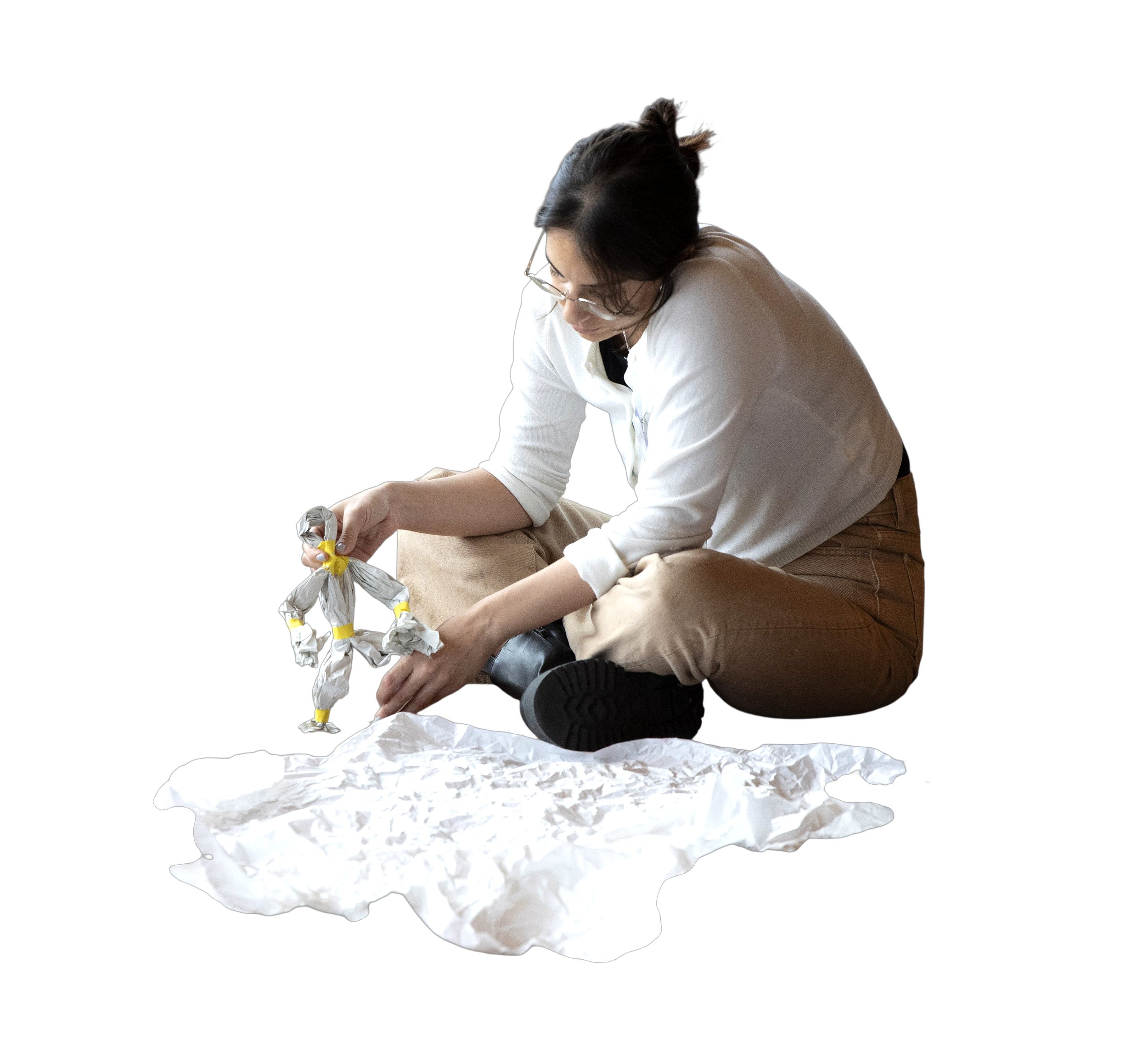
Enrolling now:
Love, Projection, and Puppets
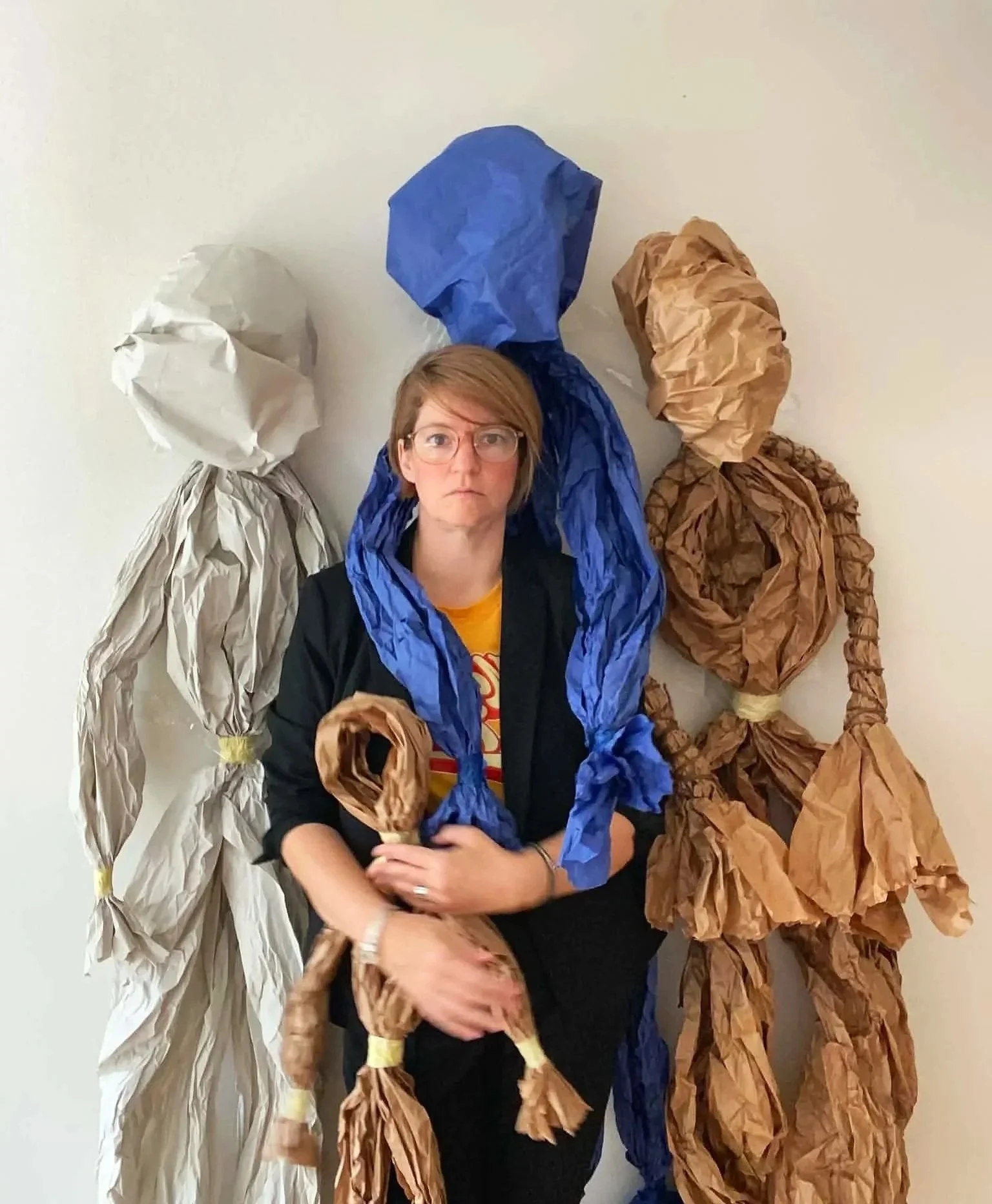
What is the difference between loving someone and loving our experience of them?
An eight-week live certificate program in Deep Puppetry™
An artistic inquiry into projection, attachment, recognition, imagination, love, and the trouble with thinking we know what we're looking at.
How we experience another person is never only about them.
It is also about what we bring to the encounter: the meanings we make, the stories we carry, and the versions of other people we have already constructed.
What happens when that version stops being enough?
What becomes possible when we allow someone to remain more than our experience of them?
“It was a real pleasure not to be told what I meant.”
-Mel Curtiss
Most of us understand things before we’ve been changed by them.
I’m an artist, teacher, and facilitator. My work moves between making, writing, puppetry, and participatory inquiry.
At the heart of it is a political question:
How do the ways we participate in everyday life help create the worlds we live in?
Participation is never neutral. What we notice, what we ignore, what we assume, who gets to define what something is, and whose understanding we organize around all shape the worlds we make together.
Deep Puppetry grew out of my interest in practicing those things differently.
There are puppets. There is philosophy. There is usually some paper involved.
Things get unexpectedly profound.
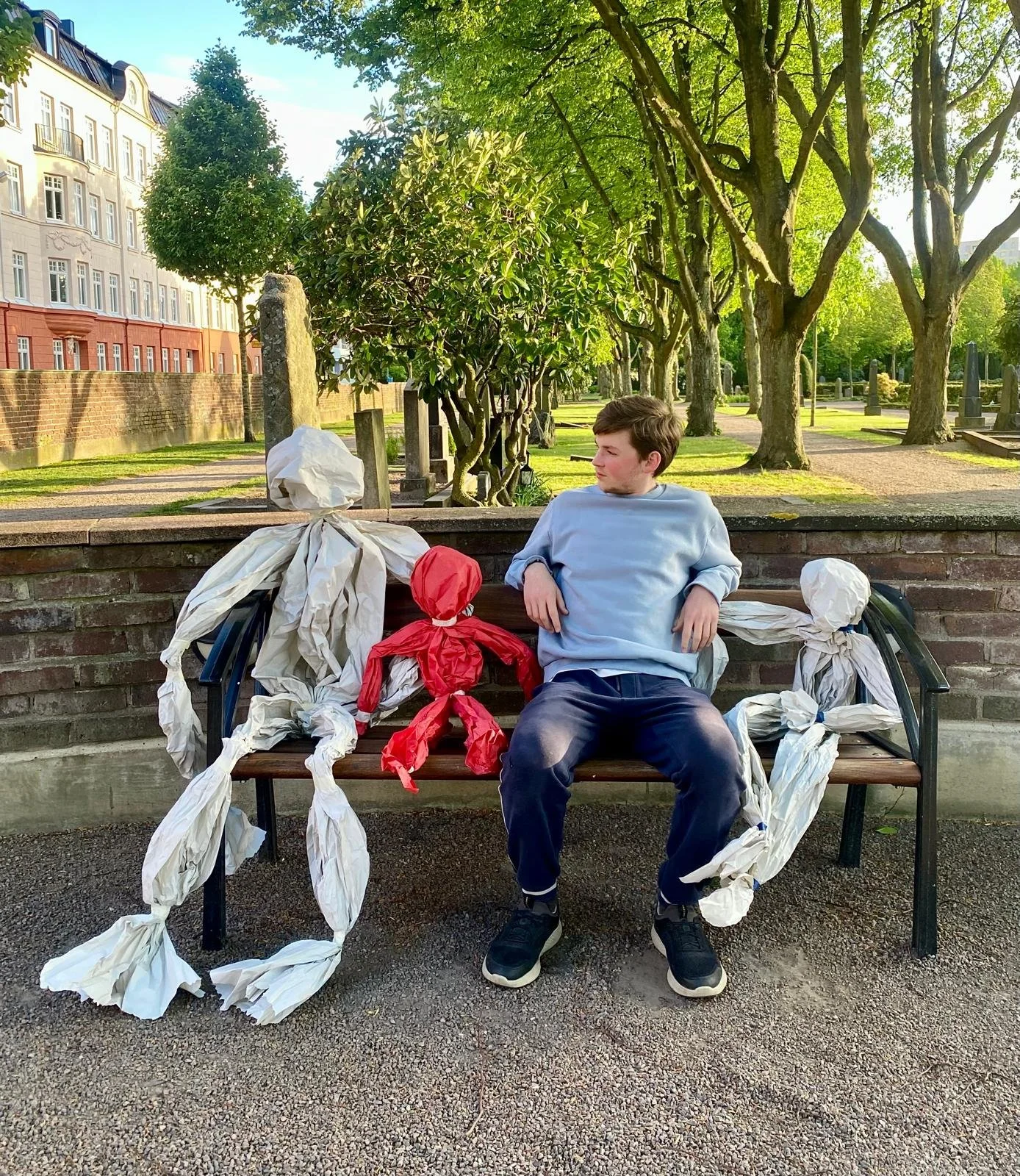
What is Deep Puppetry™
It is a practice for encountering what exceeds us.
A puppet gives us something strange to encounter. We don't quite know what it is, but we begin to notice ourselves deciding: what it means, what it needs, what it feels, what should happen next.
Working with puppets gives us a place to see those decisions while they’re happening.
What becomes possible when we don't have to decide so quickly?
This isn’t just an interpersonal question. It’s a question about how worlds get made.

“Puppetry enabled a material witnessing where no material had been possible before. In the material, I could shape questions. Before, they had no home in which to be.”
-Deep Puppetry certificate graduate
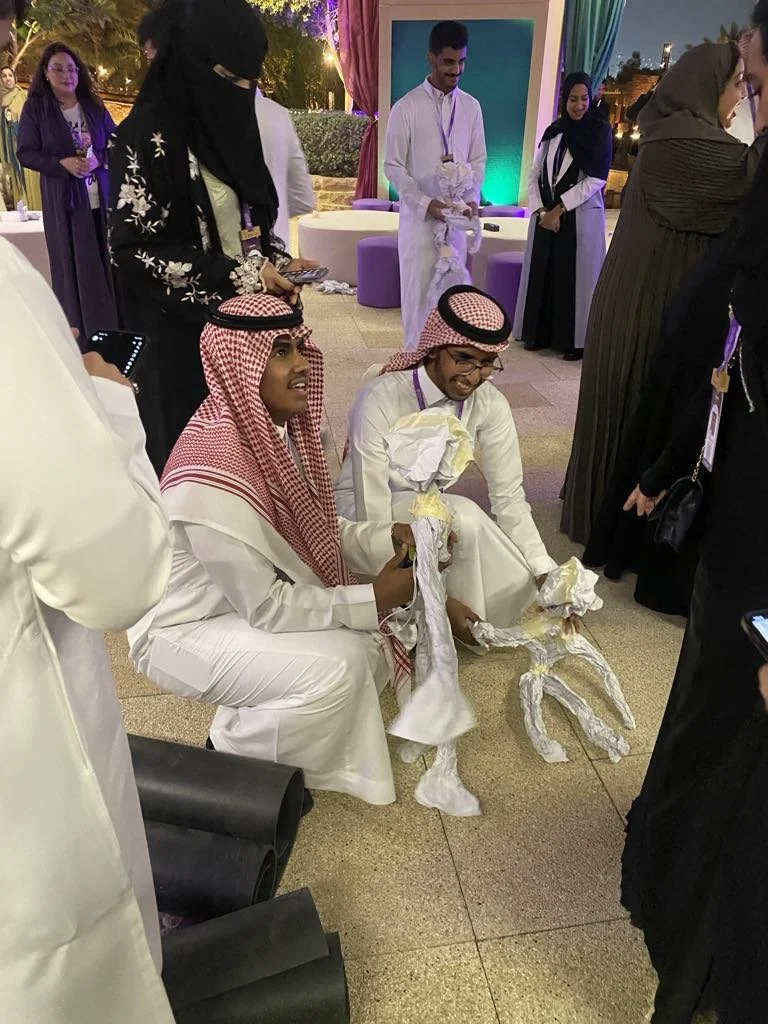
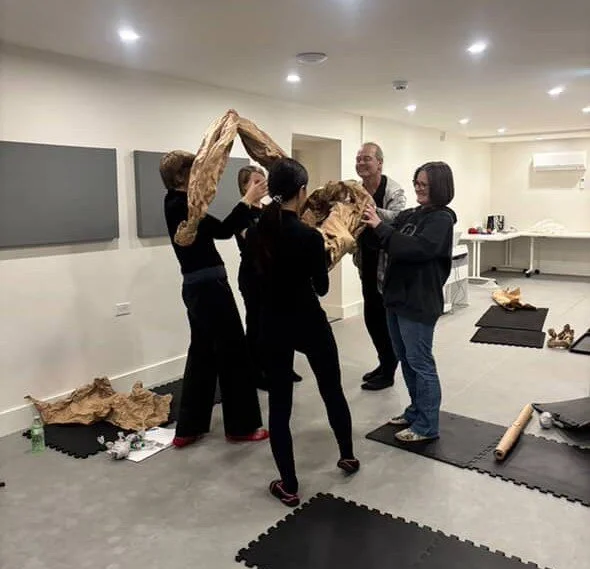
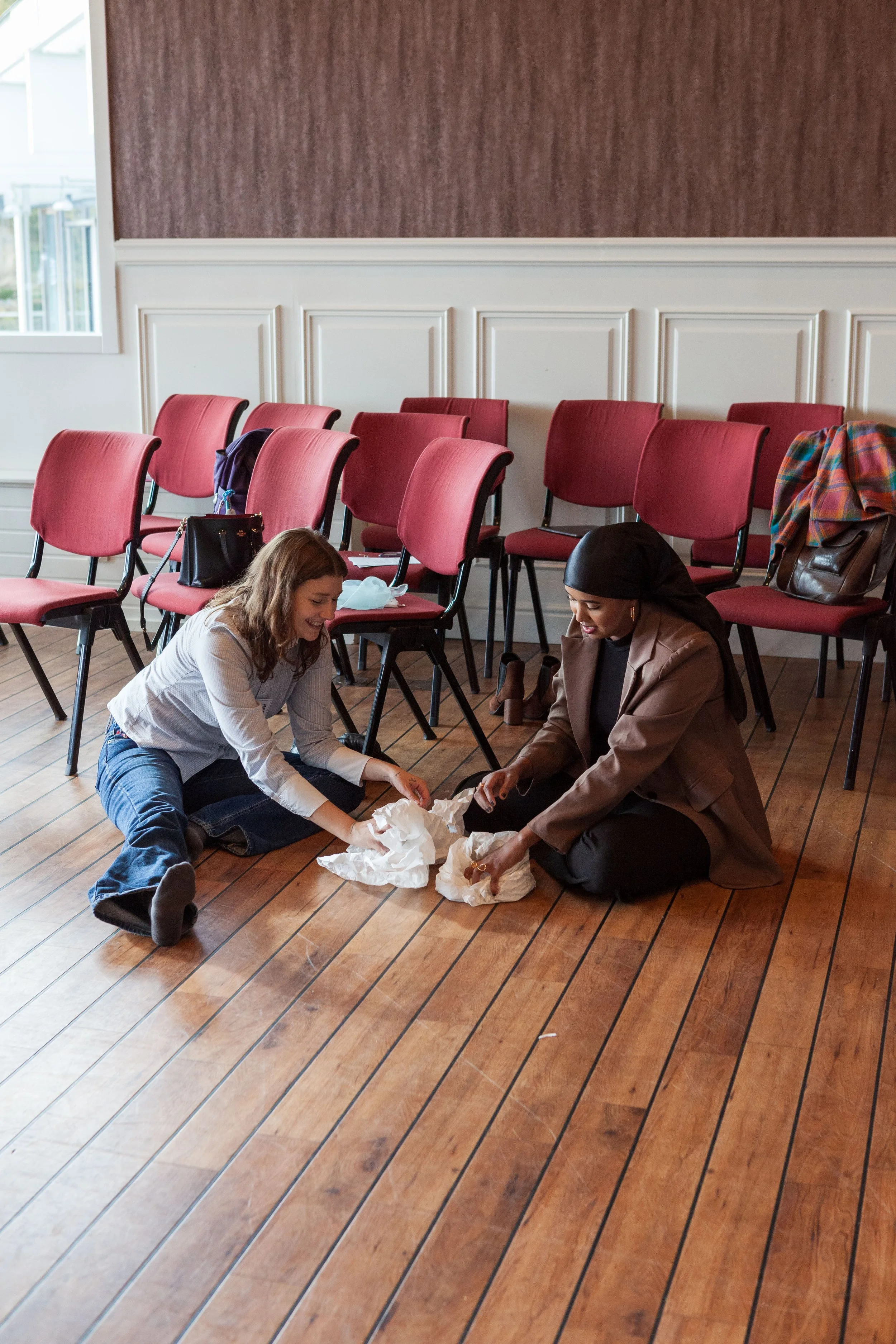
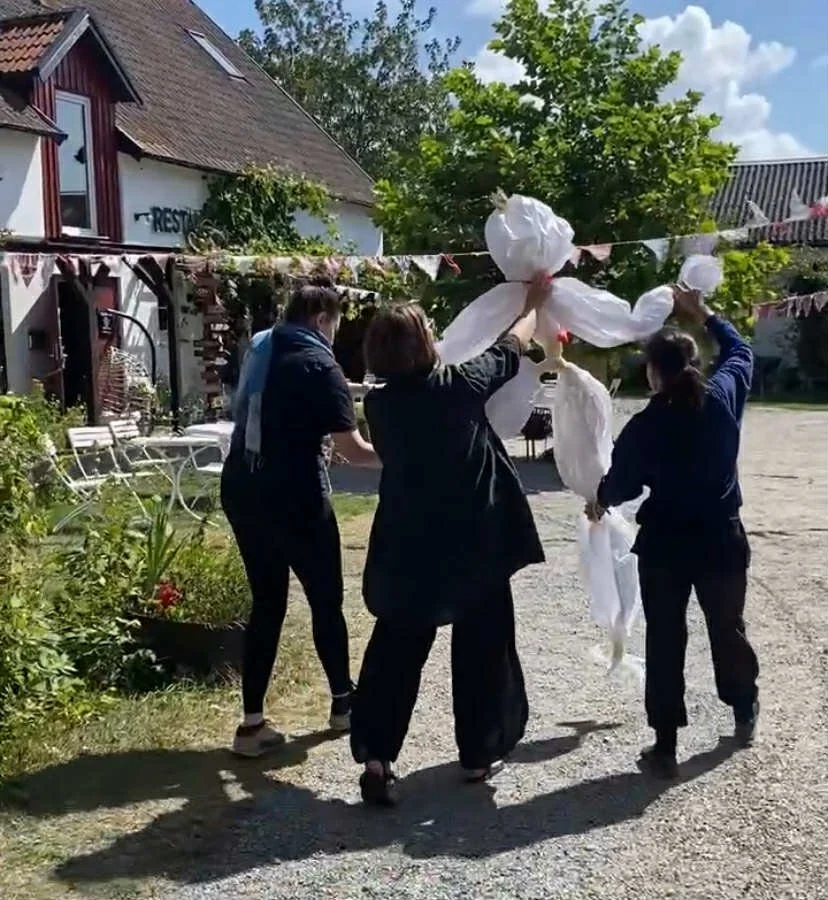
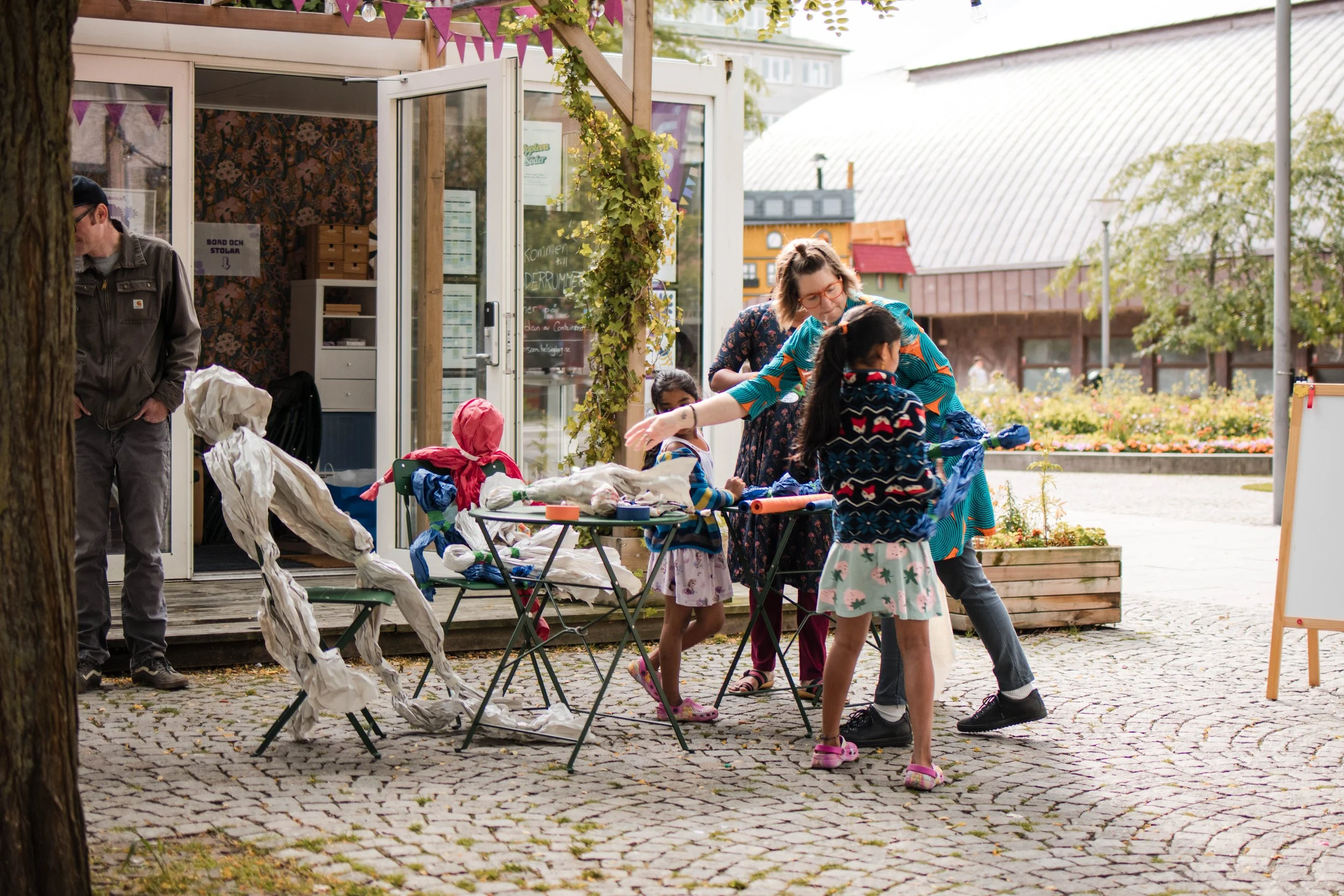
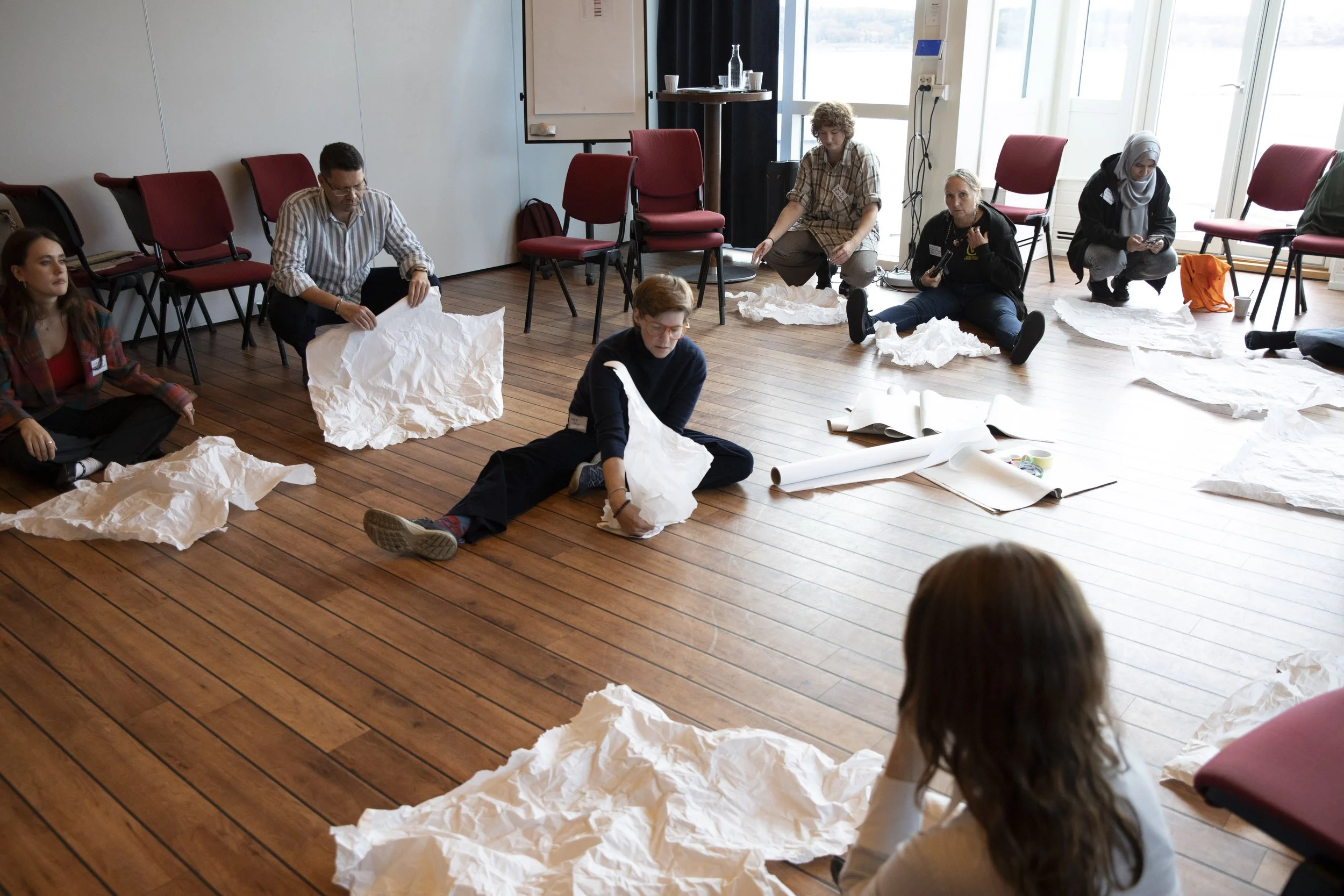
student work, Emma Shea
student work, Alissa Di Franco
The larger inquiry
How do worlds become real through ordinary participation?
What becomes possible before another person's experience becomes something we already know?
How do everyday interactions become so familiar that they stop feeling like participation altogether?
These questions have taken me through sociology, theatre, puppetry, expressive arts, somatic practice, community work, performance, writing, and visual art.
Over time, I became less interested in finding better methods and more interested in the conditions through which participation itself is created.
If every encounter has to fit what we already know, we can only reproduce the ways of participating we already know how to do.







“I still don’t know what happened, but something did.
-Deep Puppetry participant